
Nursing Specialties & Clinical Practice

How to Become a PICU Nurse: A Step-by-Step Guide to Specializing in Pediatric Intensive Care
Becoming a Pediatric Intensive Care Unit (PICU) nurse requires advanced clinical skills, emotional intelligence, and specialized training in caring for critically ill children.

What is RNC in Nursing: Understanding the Role and Certification of Registered Nurses Certified
RNC certification signifies advanced nursing expertise in specialized areas, enhancing career opportunities and patient care through rigorous examination and ongoing education requirements.

Do Nurses Need Malpractice Insurance: Understanding the Importance and Coverage Options
Nurses require malpractice insurance to protect against legal claims, covering legal fees and potential damages, ensuring financial security and peace of mind in their practice.

How Long Does It Take to Become a Paramedic: A Comprehensive Overview of Training and Requirements
Becoming a paramedic requires 1-2 years of training, starting with EMT certification, followed by advanced life support education, and passing the NREMT exam for licensure.

Nursing Resignation Letter: Guidelines for a Professional Exit
A professional resignation letter is essential for nurses to communicate their intent to leave, maintain positive relationships, and facilitate smooth transitions in their careers.

How Much Money Does a Nurse Practitioner Make in Today’s Healthcare Market?
Nurse practitioners in the U.S. earn an average salary of approximately $128,104, with significant variations based on location, specialization, and experience.
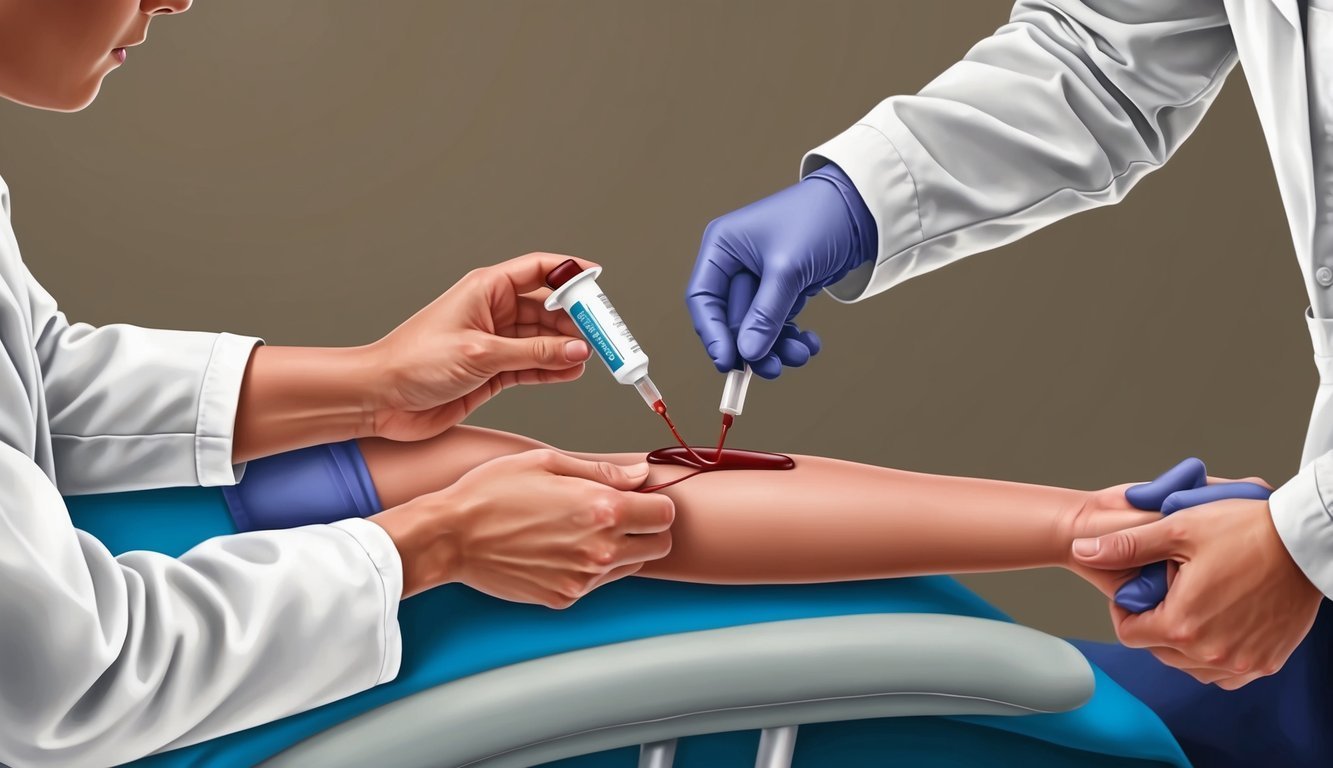
Is Phlebotomy Hard? Understanding the Challenges and Skills Required
Phlebotomy involves drawing blood for tests and treatments, requiring certification, technical skills, patient care techniques, and effective communication to ensure accurate results and patient comfort.