
Nursing Specialties & Clinical Practice

RN vs NP: Key Differences in Roles and Responsibilities in Healthcare
Registered Nurses (RNs) provide direct patient care, while Nurse Practitioners (NPs) have advanced training to diagnose, treat, and prescribe medications, enhancing healthcare delivery.

How Long Does It Take to Become a Paramedic: A Comprehensive Overview of Training and Requirements
Becoming a paramedic requires 1-2 years of training, starting with EMT certification, followed by advanced life support education, and passing the NREMT exam for licensure.
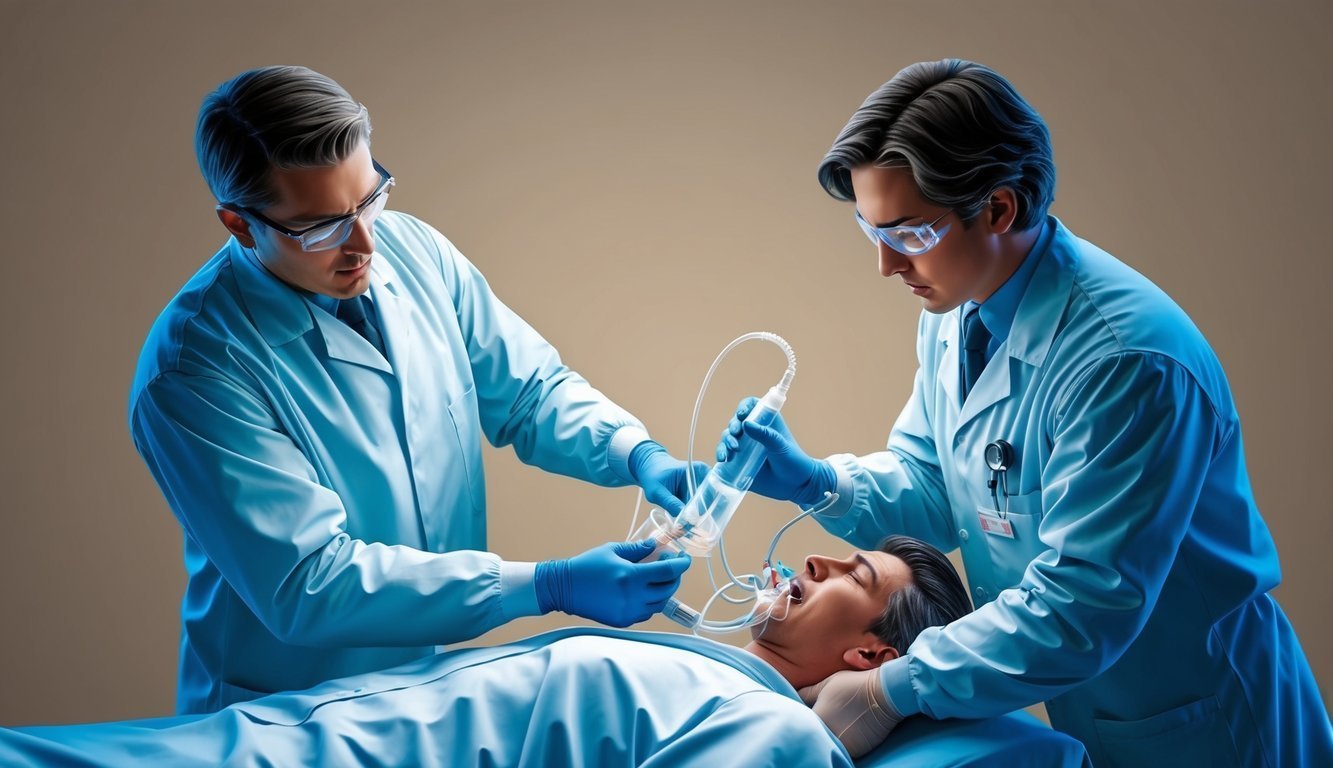
Can NPs Intubate? Understanding Nurse Practitioners’ Role in Emergency Airway Management
Nurse practitioners (NPs) play a critical role in patient care, with some qualified to perform intubation based on state regulations and specialized training.
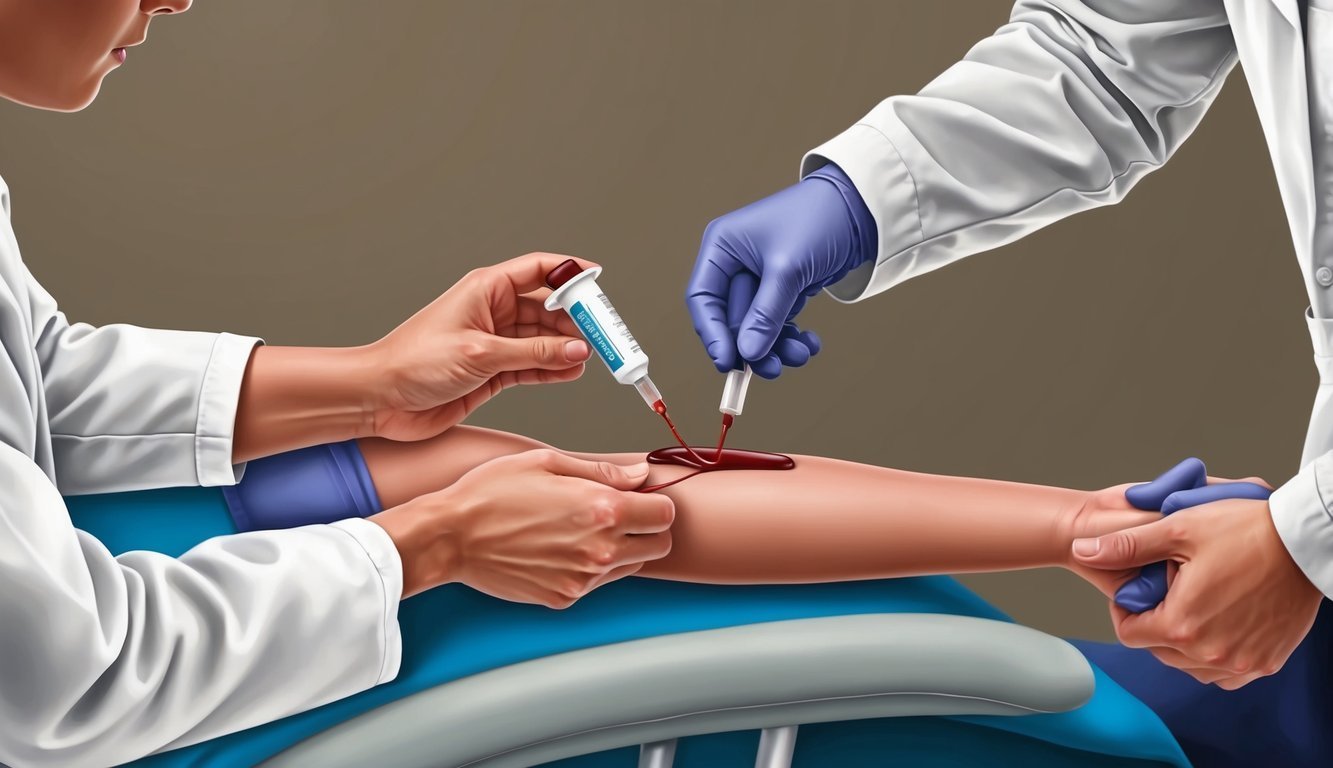
Is Phlebotomy Hard? Understanding the Challenges and Skills Required
Phlebotomy involves drawing blood for tests and treatments, requiring certification, technical skills, patient care techniques, and effective communication to ensure accurate results and patient comfort.

How to Become a PICU Nurse: A Step-by-Step Guide to Specializing in Pediatric Intensive Care
Becoming a Pediatric Intensive Care Unit (PICU) nurse requires advanced clinical skills, emotional intelligence, and specialized training in caring for critically ill children.

Advanced Practice Registered Nurse: Expanding Roles in Modern Healthcare
APRNs provide advanced healthcare, specializing in areas such as nurse anesthesia, midwifery, and mental health, with an evolving regulatory landscape enhancing their practice scope and independence.
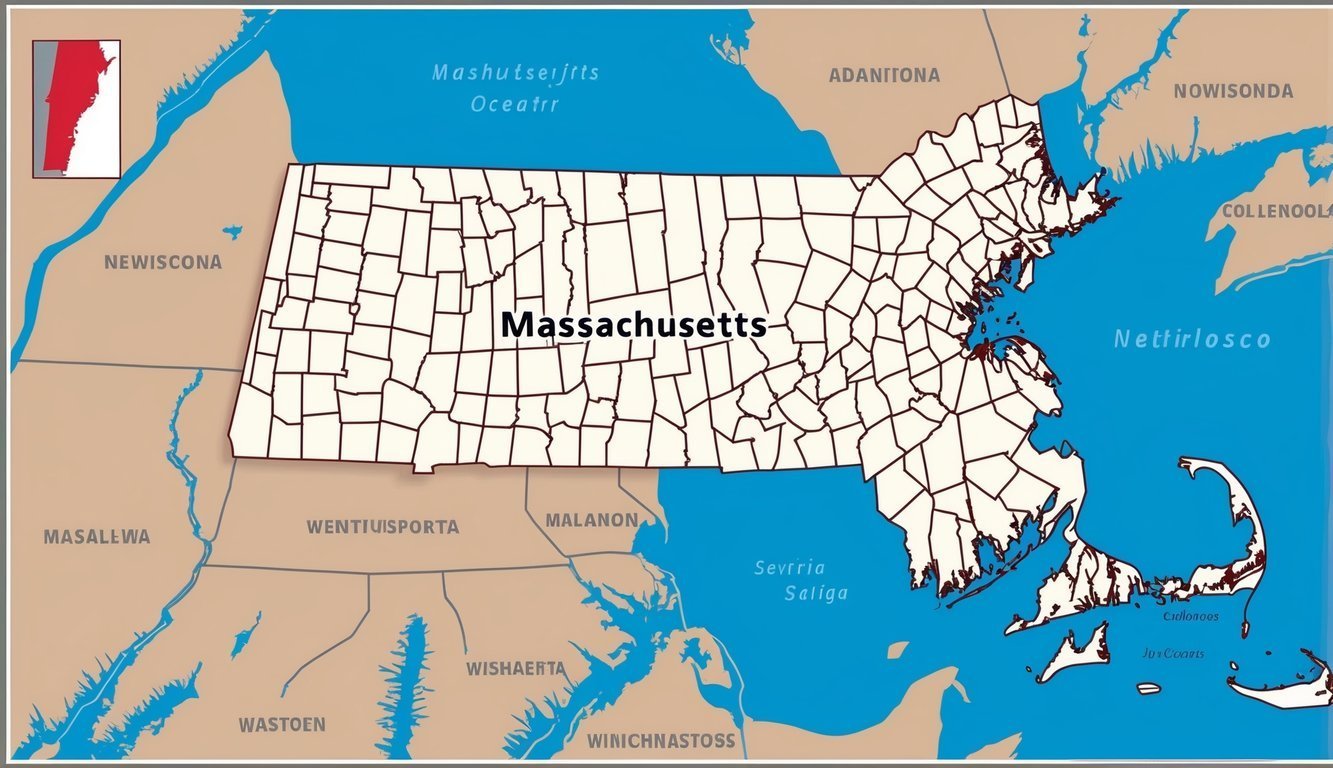
Is Massachusetts a Compact State? An Overview of Its Geography and Regulations
Nurses in Massachusetts must obtain separate licenses for each state, as the state is not yet a member of the Nurse Licensure Compact (NLC).