
Nursing Industry Trends, Research & Policy

What is ACLS and PALS: Essential Life Support Techniques for Healthcare Professionals
Advanced Cardiovascular Life Support (ACLS) and Pediatric Advanced Life Support (PALS) are critical training programs for healthcare providers addressing life-threatening emergencies in adults and children.

Endoscopy Nurse: Essential Role in Patient Care and Procedure Accuracy
Endoscopy nursing requires a registered nursing degree, specialized training, and certification to assist in gastrointestinal procedures, ensuring patient safety and effective care.
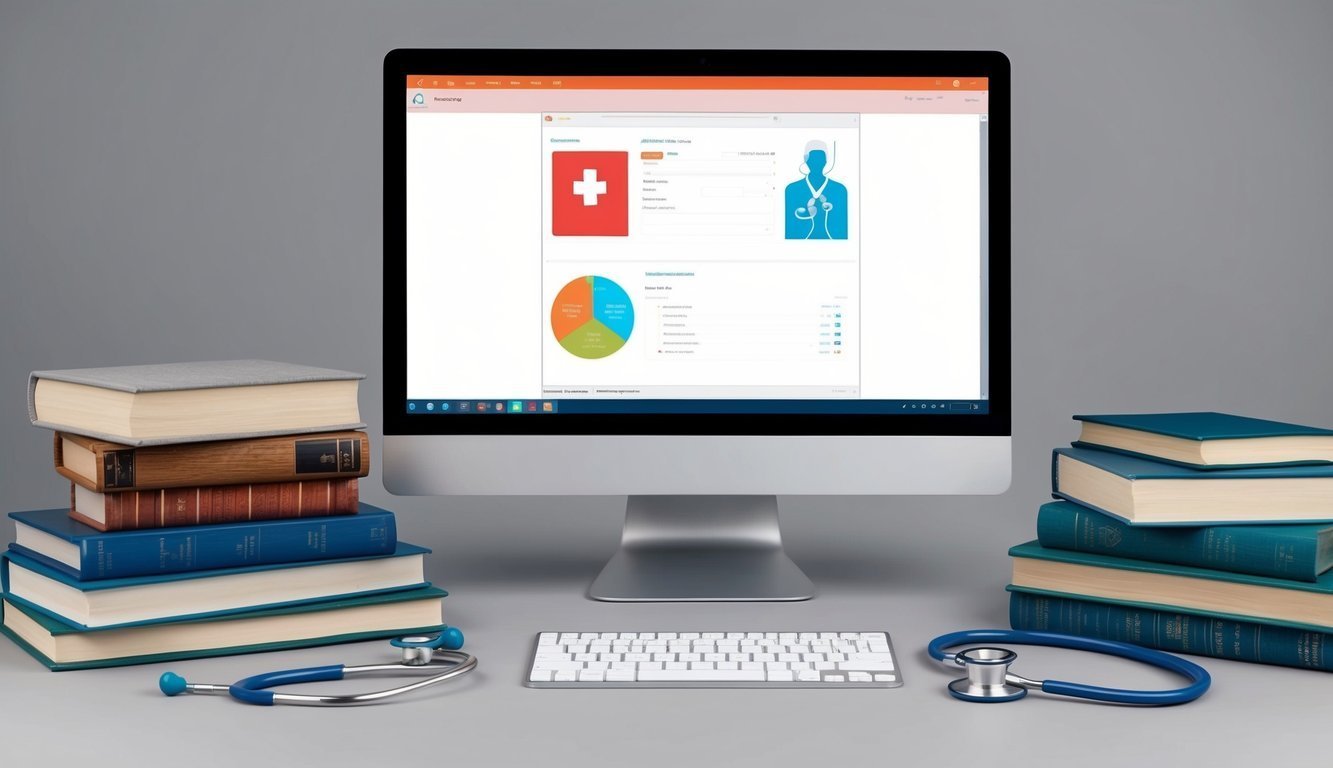
How to Become a Nurse Informaticist: A Step-by-Step Guide for Aspiring Professionals
Nurse informaticists bridge nursing and technology, enhancing patient care through data management and clinical decision support systems, requiring nursing degrees, certifications, and ongoing education.

Nurse Informatics: Enhancing Patient Care Through Technology Integration
Nursing informatics integrates nursing science and information technology to improve healthcare delivery, enhance patient outcomes, and streamline workflows through effective data management and technology implementation.

New Grad Nurse Resume: Essential Tips for Crafting an Impactful Application
Creating a standout nursing resume involves highlighting qualifications, education, clinical experience, and relevant skills to enhance employability in a competitive job market.

EKG Technician Requirements: Essential Qualifications and Skills for Success
Becoming an EKG technician requires a high school diploma or GED, training, certification, and hands-on experience to perform vital cardiac diagnostic tests in healthcare.

Nurse Retirement Age: Navigating Changes and Planning for the Future
The average retirement age for nurses is around 62, influenced by personal factors like financial stability, health, and job satisfaction. Planning ensures a smoother transition.