
Nursing Specialties & Clinical Practice

Pros and Cons of Occupational Therapy Assistant: A Comprehensive Overview
Occupational therapy assistants (OTAs) support patient recovery by implementing treatment plans, assisting with daily activities, and promoting independence, while facing physical and emotional challenges in their role.

Resource Nurse: Essential Role in Healthcare Delivery
A resource nurse enhances patient care by coordinating treatment, supporting nursing staff, and ensuring effective communication, ultimately improving healthcare outcomes across various settings.

RN vs PA: Exploring the Key Differences in Roles and Responsibilities
Registered Nurses require an ADN or BSN and pass the NCLEX-RN, while Physician Assistants need a master’s degree and pass the PANCE for certification.

Travel Nursing Experience: Insights and Benefits for Healthcare Professionals
Travel nursing combines healthcare with adventure by enabling nurses to work in various locations, enhancing skills while addressing staffing shortages and experiencing diverse cultures.

Do You Need Prerequisites for LPN? Understanding the Requirements for Nursing Candidates
Becoming a Licensed Practical Nurse (LPN) requires a high school diploma, essential coursework, passing the NCLEX-PN exam, and meeting specific state legal requirements.

What Percent of Nurses Are Male? Examining Gender Representation in Nursing
Male nurses constitute approximately 12% of the nursing workforce in the U.S., reflecting increasing gender diversity and improving patient care through varied perspectives in healthcare.
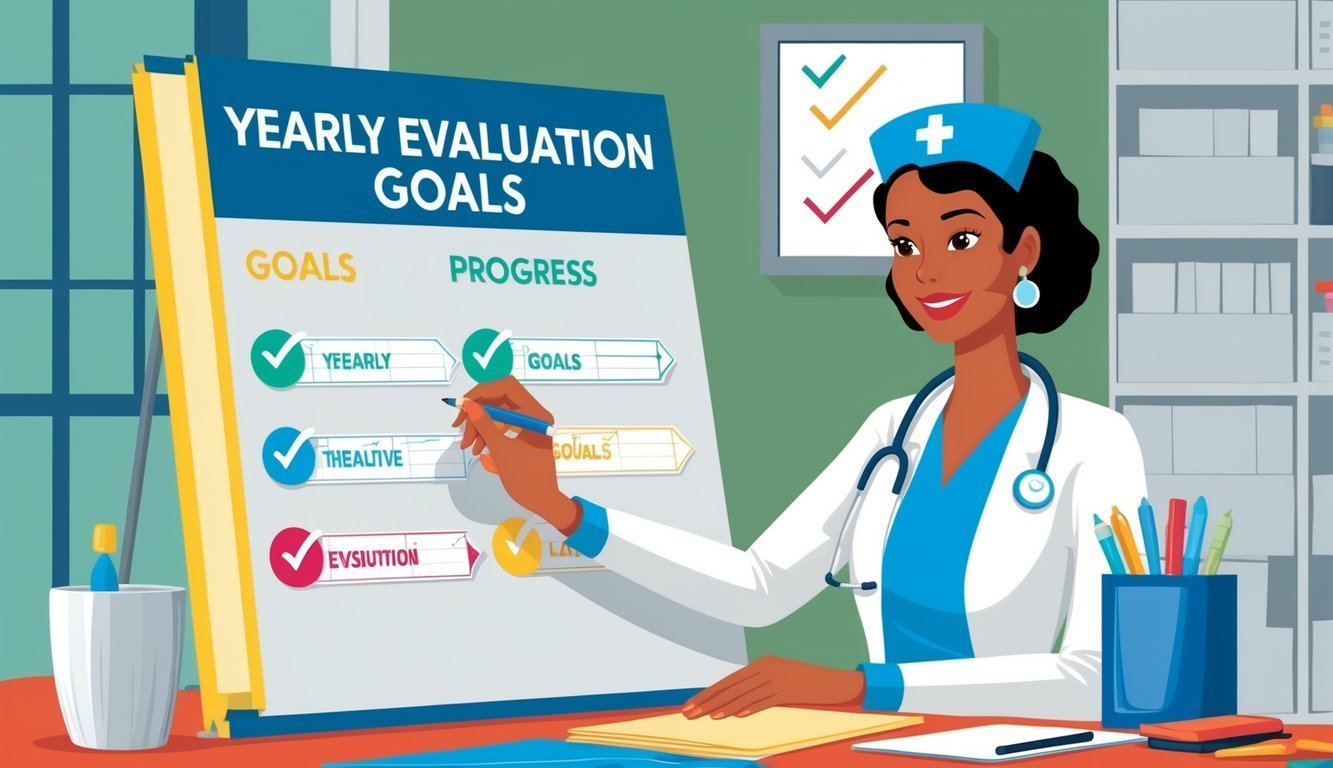
Examples of Nursing Goals for Yearly Evaluation: Key Objectives for Effective Performance Appraisal
Setting clear nursing goals enhances professional growth, improves patient care, and fosters accountability, ensuring continuous skill development and effective evaluations in the nursing field.