
Nursing Specialties & Clinical Practice
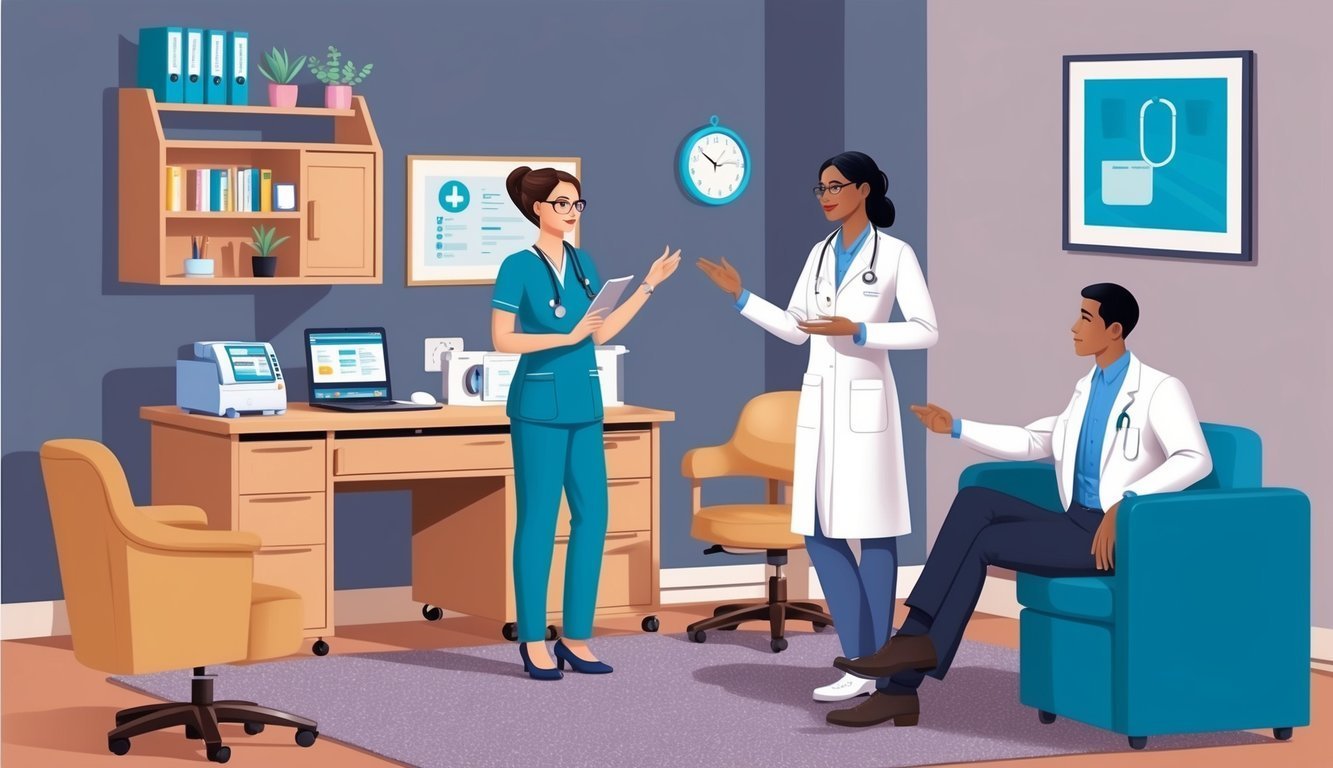
Psychiatric Nurse Practitioner vs Psychiatrist: Understanding Key Differences in Mental Health Care Roles
Psychiatric nurse practitioners and psychiatrists differ in training, responsibilities, and treatment capabilities, impacting the mental health care options available for patients.
CNA Requirements: Essential Steps to Become a Certified Nursing Assistant
Becoming a Certified Nursing Assistant requires completing a state-approved training program, passing a competency exam, and maintaining communication with healthcare professionals for effective patient care.
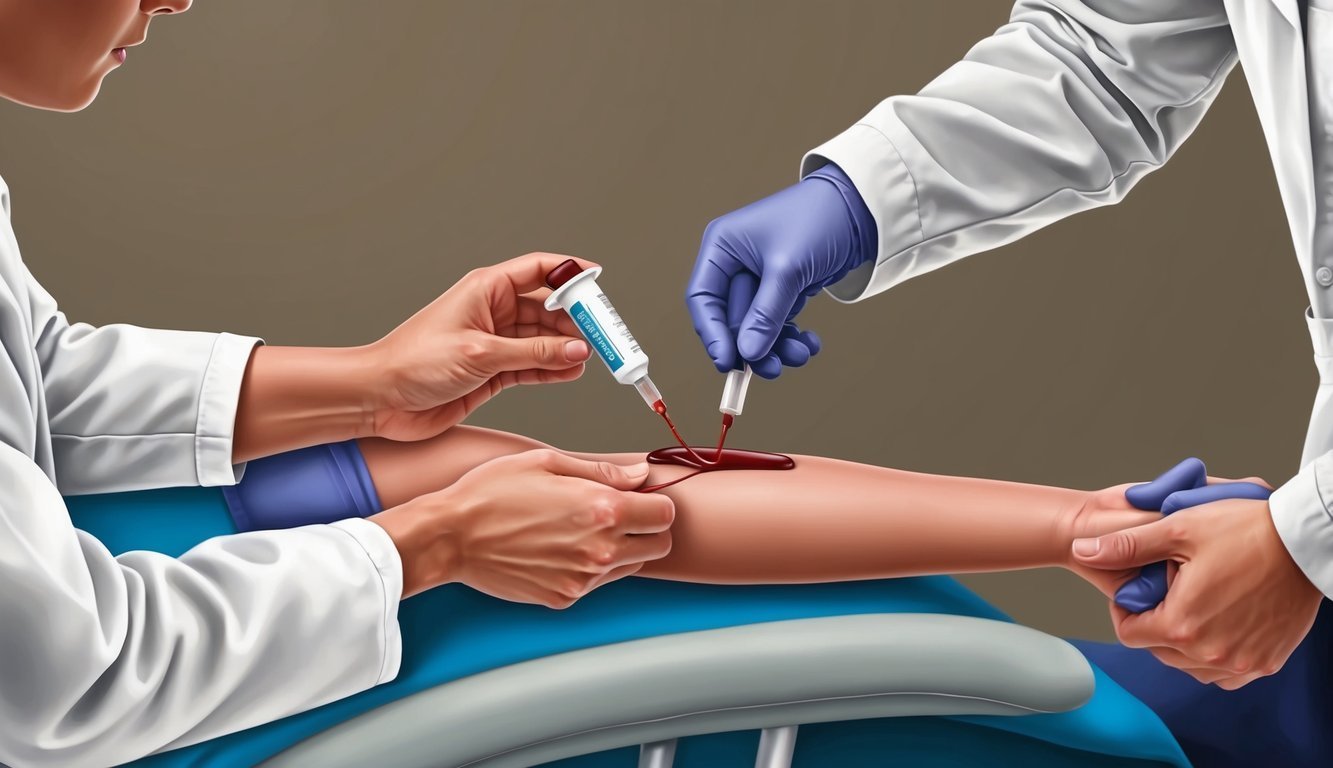
Is Phlebotomy Hard? Understanding the Challenges and Skills Required
Phlebotomy involves drawing blood for tests and treatments, requiring certification, technical skills, patient care techniques, and effective communication to ensure accurate results and patient comfort.

How to Become a Women’s Health Nurse Practitioner: A Step-by-Step Guide
Becoming a women’s health nurse practitioner involves completing nursing education, obtaining licensure, and gaining specialized training to provide comprehensive care throughout women’s lives.

FNP-C Meaning: Understanding the Role and Certification of Family Nurse Practitioners
Family Nurse Practitioners (FNPs) provide comprehensive healthcare services, requiring certification from recognized bodies like AANP and ANCC, enhancing career opportunities and clinical capabilities.

Nurse Case Manager: Enhancing Patient Care Through Coordinated Services
A nurse case manager coordinates patient care, develops individualized plans, advocates for patients, and collaborates with healthcare teams to improve health outcomes and reduce hospital readmissions.

Pediatric Oncology Nurse: Essential Role in Supporting Young Cancer Patients
Becoming a pediatric oncology nurse requires medical knowledge, compassion, and communication skills to administer treatments and provide emotional support to children and their families during cancer care.