
Nursing Specialties & Clinical Practice
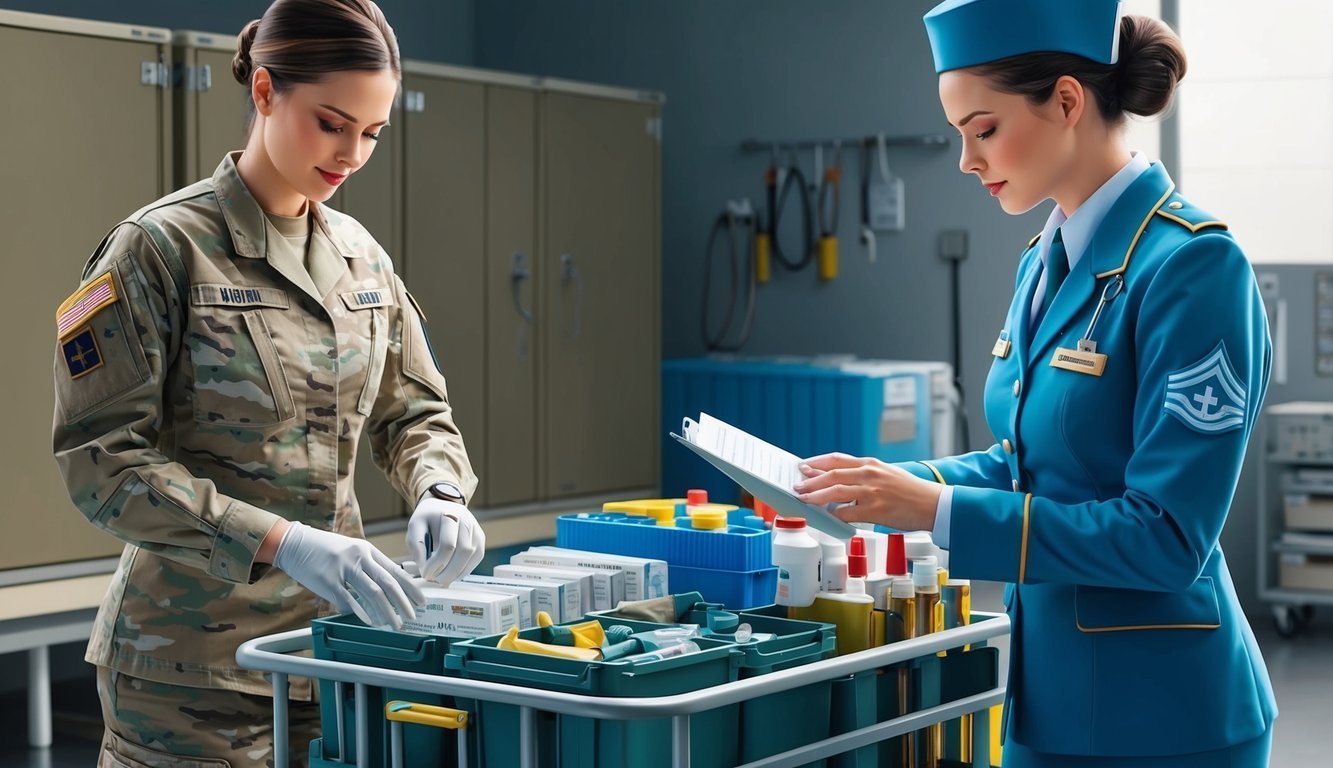
Military Nurse Requirements: Essential Qualifications and Skills for Service
Becoming a military nurse requires a Bachelor of Science in Nursing (BSN), RN licensure, and specialized training to provide care in various healthcare environments, including combat zones.

Do Nurses Need Malpractice Insurance: Understanding the Importance and Coverage Options
Nurses require malpractice insurance to protect against legal claims, covering legal fees and potential damages, ensuring financial security and peace of mind in their practice.

AANP vs ANCC: Understanding Certification Options for Nurse Practitioners
Choosing between AANP and ANCC certifications involves understanding their clinical and research focuses, eligibility requirements, exam structures, and how they impact career opportunities for nurse practitioners.

Holistic Nurse: Integrating Whole-Person Care in Modern Healthcare
Holistic nursing emphasizes comprehensive care by addressing patients’ physical, emotional, and spiritual needs, integrating various healing modalities for improved health outcomes and patient empowerment.

What Is Adult Gerontology: Understanding the Scope and Importance of Adult Health Care
Adult gerontology focuses on the health of adults and the elderly, emphasizing chronic disease management, preventive care, and the importance of specialized nursing roles like AGNPs.

ER NP: Key Roles and Responsibilities in Emergency Care
Emergency Nurse Practitioners (ENPs) require a BSN, advanced degrees, clinical experience, and certification to provide critical care in high-pressure environments, earning an average salary of $130,000.

Forensic Nurse Examiner: Key Role in Sexual Assault Investigations
Forensic nurses provide specialized medical care and support to victims of violent crimes, focusing on evidence collection and collaboration with law enforcement for justice.